
Do You Have to Clean the Walls When You Move Out? What Landlords Can Deduct For
Do you need to wash the walls at the end of a tenancy? What counts as fair wear and tear, what landlords in England can deduct from your deposit, and how to avoid cleaning deductions.
Short answer: no, you don’t usually have to wash every wall. In England you’re expected to hand the property back as clean as it was when you moved in, allowing for fair wear and tear. For walls, that means removing marks you caused. Normal signs of everyday living are not your cost.
This guide covers what that means in practice, what landlords and letting agents can and can’t deduct for, and how to protect your deposit. It’s general guidance for tenancies in England, not legal advice, so always check your tenancy agreement and inventory.
What “fair wear and tear” means for walls
Fair wear and tear is the natural decline that comes from someone living in a home for a while. Landlords can’t charge you for it.
Usually fair wear and tear:
- Light scuffs where furniture stood or along hallways
- Paint fading from sunlight
- Small marks from normal day-to-day use
Usually your responsibility:
- Grease and cooking splashes on kitchen walls
- Fingerprints and dirt around light switches and door handles
- Sticky residue from tape or adhesive hooks
- Crayon, pen or food marks
- Mould you could reasonably have prevented by ventilating and wiping condensation
The difference is cause. Time and normal use are wear and tear. Something that happened or built up because of how the home was used is usually the tenant’s to put right.
What landlords check at the end of a tenancy
The check-out inspection compares the property with the check-in inventory, the report and photos taken when you moved in. Walls are rarely looked at on their own. Inspectors focus on the places dirt gathers:
- Around switches, sockets and door handles
- Kitchen walls behind the hob and worktops
- Skirting boards, door frames and window sills
- Bathroom tiles, grout and sealant
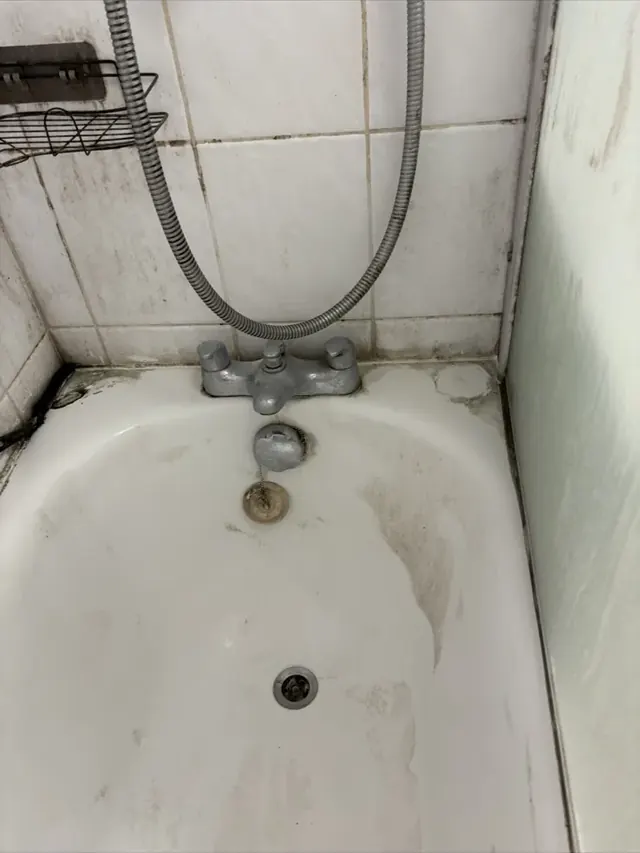
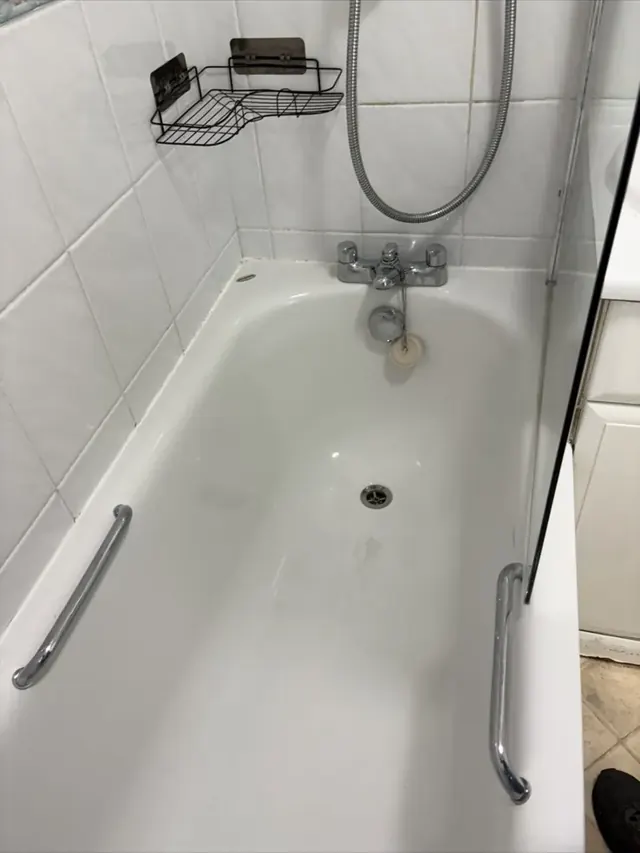
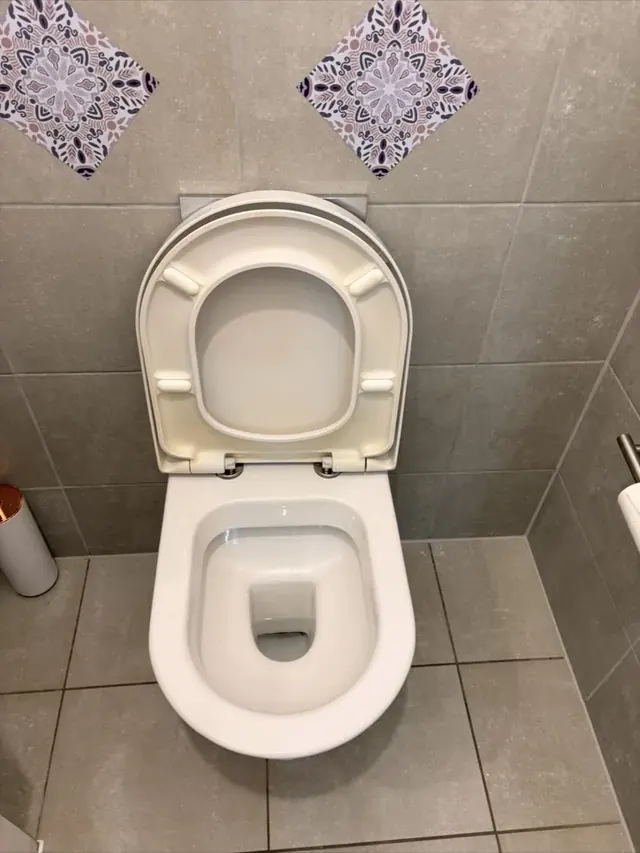
Bathrooms and kitchens are where most cleaning deductions come from, not plain walls. Limescale, mould and grime in the bathroom are the issues inspectors spot first:
What a landlord can and can’t deduct for
In England, the Tenant Fees Act 2019 limits what landlords and agents can charge. For cleaning, the key points are:
- They can’t require you to pay for a professional clean as a condition of the tenancy.
- They can expect the property back as clean as it was at the start, allowing for fair wear and tear.
- If it isn’t, they can deduct the reasonable cost of bringing it back to that standard, but no more.
Your deposit must be protected in a government-approved tenancy deposit scheme. If you and your landlord can’t agree on a deduction, the scheme offers a free dispute resolution service, and the inventory and photos are what the adjudicator looks at.
How to clean marks off walls without making it worse
Most wall marks come off with care. The common mistake is scrubbing too hard and leaving a shiny or bare patch that looks worse than the mark.
- Start gently. Warm water with a drop of washing-up liquid and a soft microfibre cloth.
- Test first on a hidden area, especially on matt or emulsion paint.
- Wipe, don’t scrub. Work from the outside of the mark inwards.
- Rinse and dry with a clean damp cloth, then a dry one, so you don’t leave a ring.
- Do switches and handles last, as they often need two passes.
If a mark won’t come off without damaging the paint, leave it and mention it. A small, honest mark is better than a patch of rubbed-off paint.
How to protect your deposit
- Read your check-in inventory before you start cleaning, and match the property to it room by room.
- Take dated photos of every room when you move out, including the walls, inside cupboards, the oven and the bathroom.
- Prioritise the kitchen and bathrooms. That’s where most cleaning deductions come from.
- Don’t forget the details: skirting boards, door frames, window sills, inside cupboards and drawers.
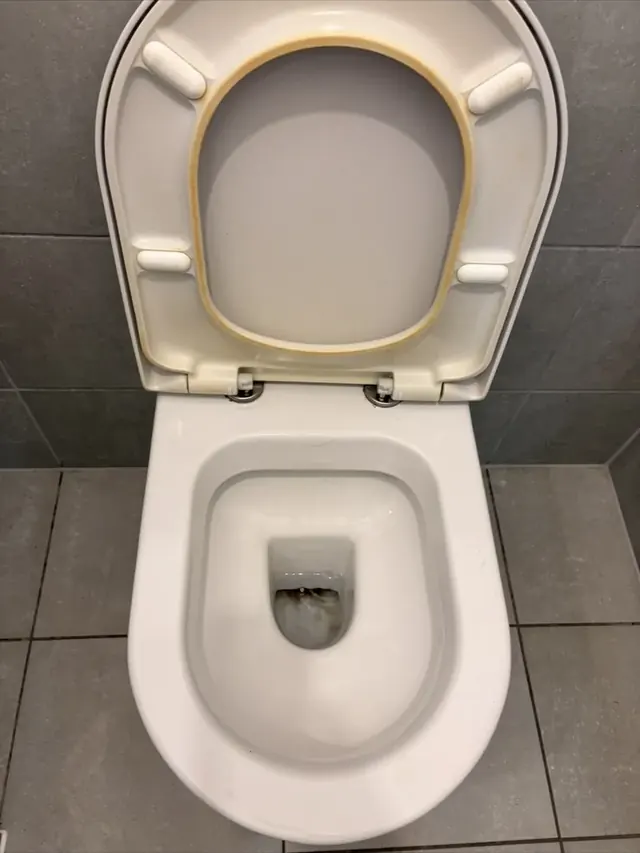
Our end of tenancy cleaning checklist takes you through it room by room.
If you’d rather hand it over
Our end of tenancy clean covers the kitchen (including inside cupboards and drawers), bathrooms, living areas and bedrooms, with skirting boards, doors, frames, switches and window sills detailed. Fixed prices start from £119 for a studio flat, and if your landlord or agent has given you a checklist, send it to us and we’ll work from it.
Oven cleaning and carpet cleaning can be added. Carpet cleaning is currently 30% off when booked with a full end of tenancy clean. Request a free quote with your postcode, number of bedrooms and check-out date.
Frequently asked questions
Do I have to wash the walls when I move out?
Usually not the whole wall. You're expected to return the property as clean as it was when you moved in, allowing for fair wear and tear. In practice that means removing marks you caused, such as grease, food splashes, sticky residue and fingerprints around switches, rather than washing every wall.
Can my landlord deduct money for scuffs on the walls?
Light scuffs and fading from normal day-to-day living are generally treated as fair wear and tear. Marks beyond that, such as grease, crayon, adhesive residue or holes, can be deducted for. The check-in inventory is what any deduction is measured against.
Can a landlord make me pay for a professional clean?
In England, under the Tenant Fees Act 2019, a landlord or agent can't require you to pay for a professional cleaning service as a condition of the tenancy. They can expect the property back as clean as it was at the start, and deduct the reasonable cost of cleaning if it isn't.
What can I do if I disagree with a cleaning deduction?
Deposits in England must be protected in a government-approved scheme. If you can't agree with your landlord, you can raise a dispute through that scheme's free dispute resolution service. Dated photos from check-in and check-out are your strongest evidence.
Does an end of tenancy clean include washing the walls?
Our end of tenancy clean covers skirting boards, doors, frames, switches and window sills, which is where most wall-level marks are. If walls need more than that, tell us when you ask for a quote so we can include it.
Other blog articles
Flu Season vs. Your Office: A Complete Guide to Preventing Winter Illnesses at Work
Practical strategies to protect your office from flu and winter illnesses. Learn the hidden hotspots, effective cleaning routines and how professional cleaning reduces sick days.
Read article →Sparkling Sanitation: Mastering Bathroom Cleanliness in End of Tenancy Service
Complete guide to end of tenancy bathroom cleaning. Learn how to tackle limescale, mould, soap scum and pass your inspection with a spotless bathroom.
Read article →The Art of First Impressions: Office Cleaning Strategies to Impress Clients
Learn how office cleanliness shapes client perceptions. Practical strategies for reception, meeting rooms, workspaces and creating a professional, impressive environment.
Read article →